













| 용도 | 전시장 |
| 위치 | 경기도 파주시 서패동 + |
| 면적 | 904 ㎡ |
| 규모 | 지하1층, 지상 4층 |
| 기간 | 2021. 06 - 2023. 01 |
| 협력 | 일맥구조연구소, 진경설비, 이플랜이앤지, 민선테크, 힐티코리아, 정도건설 |
| 발주 | 썸북스 |
| 시공 | 공정도가 |
| 사진 | 윤준환 ⓒ |
| 진행 | 준공 |
빛과 그림자가 만들어내는 공간의 감각
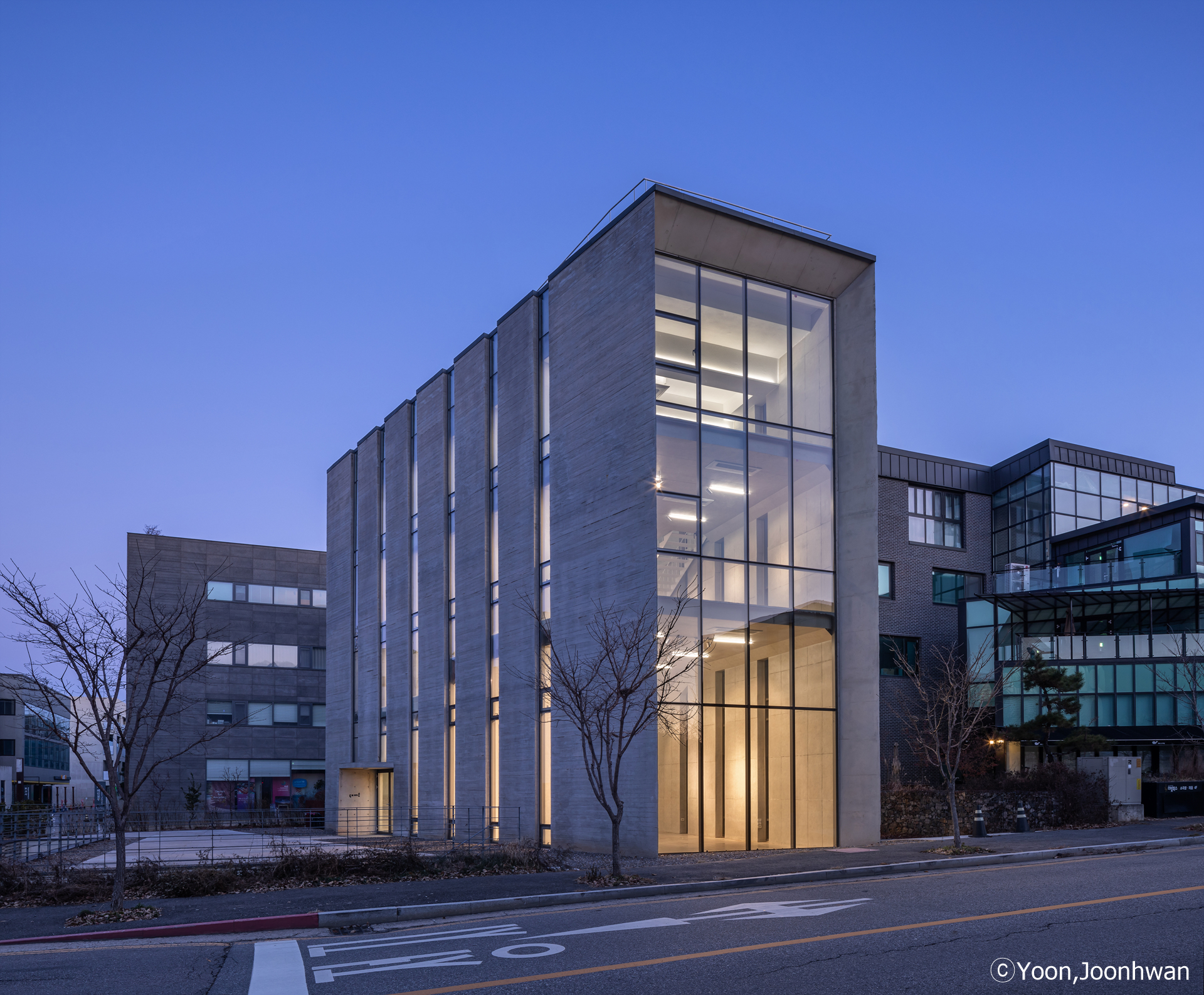
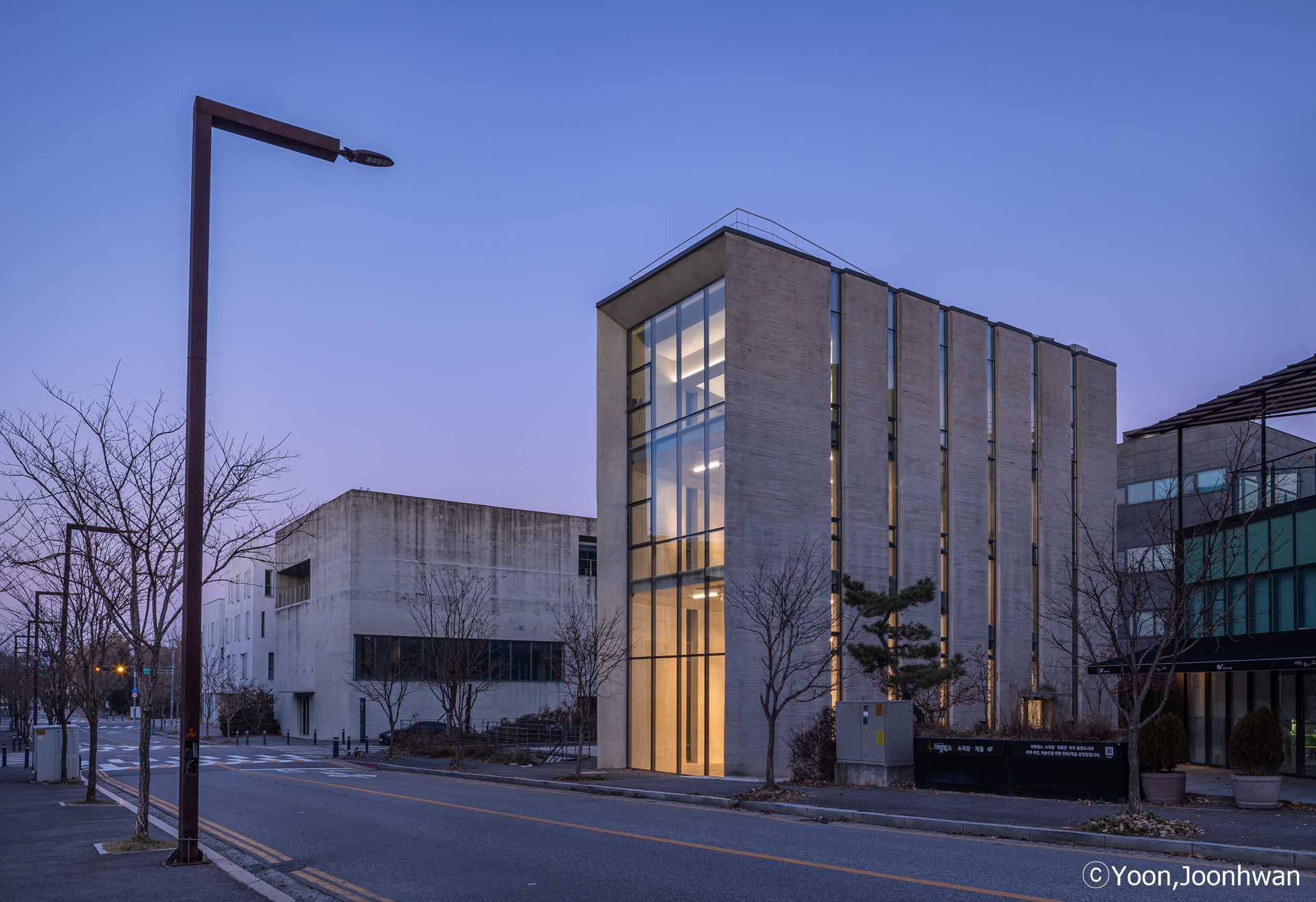
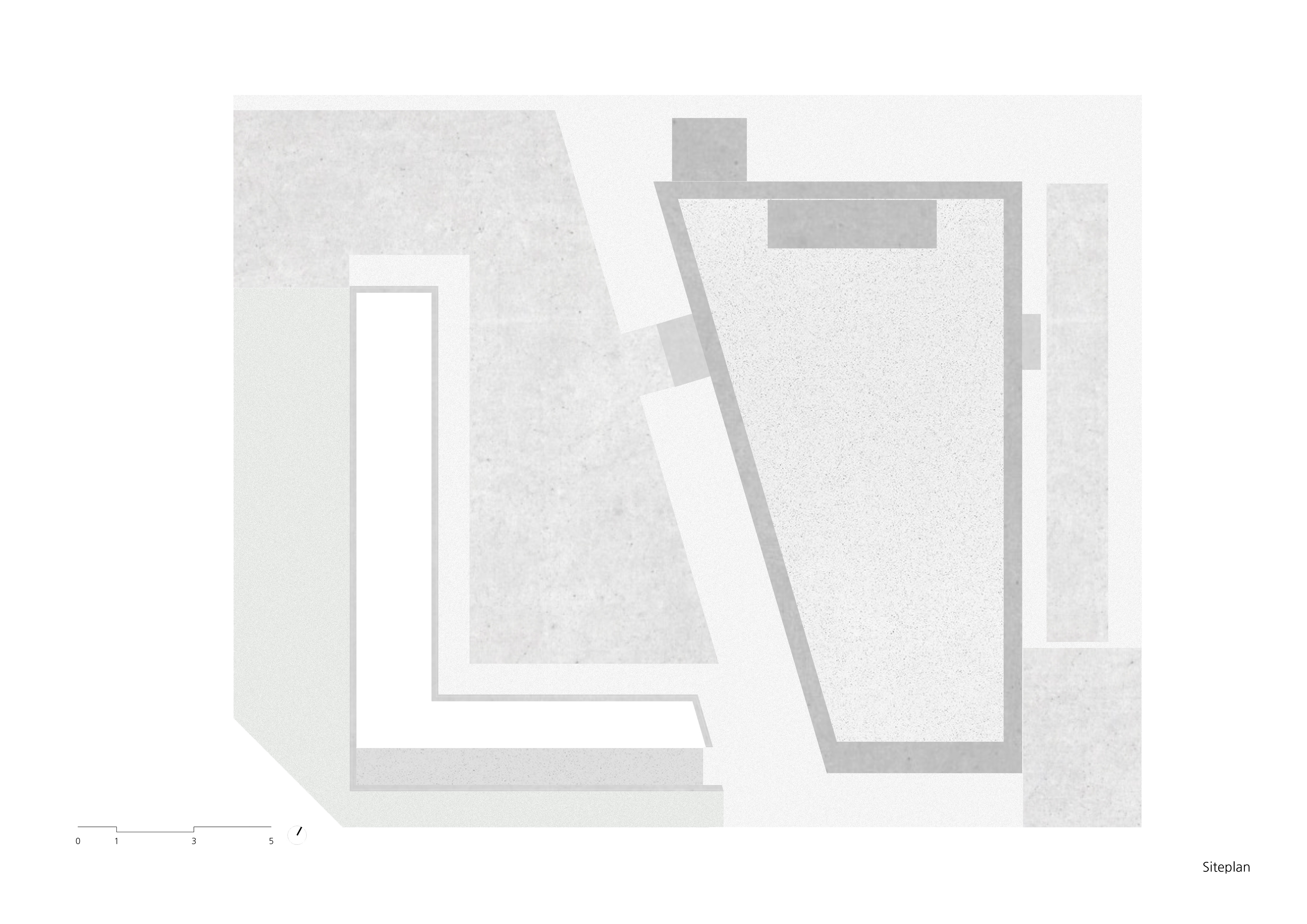
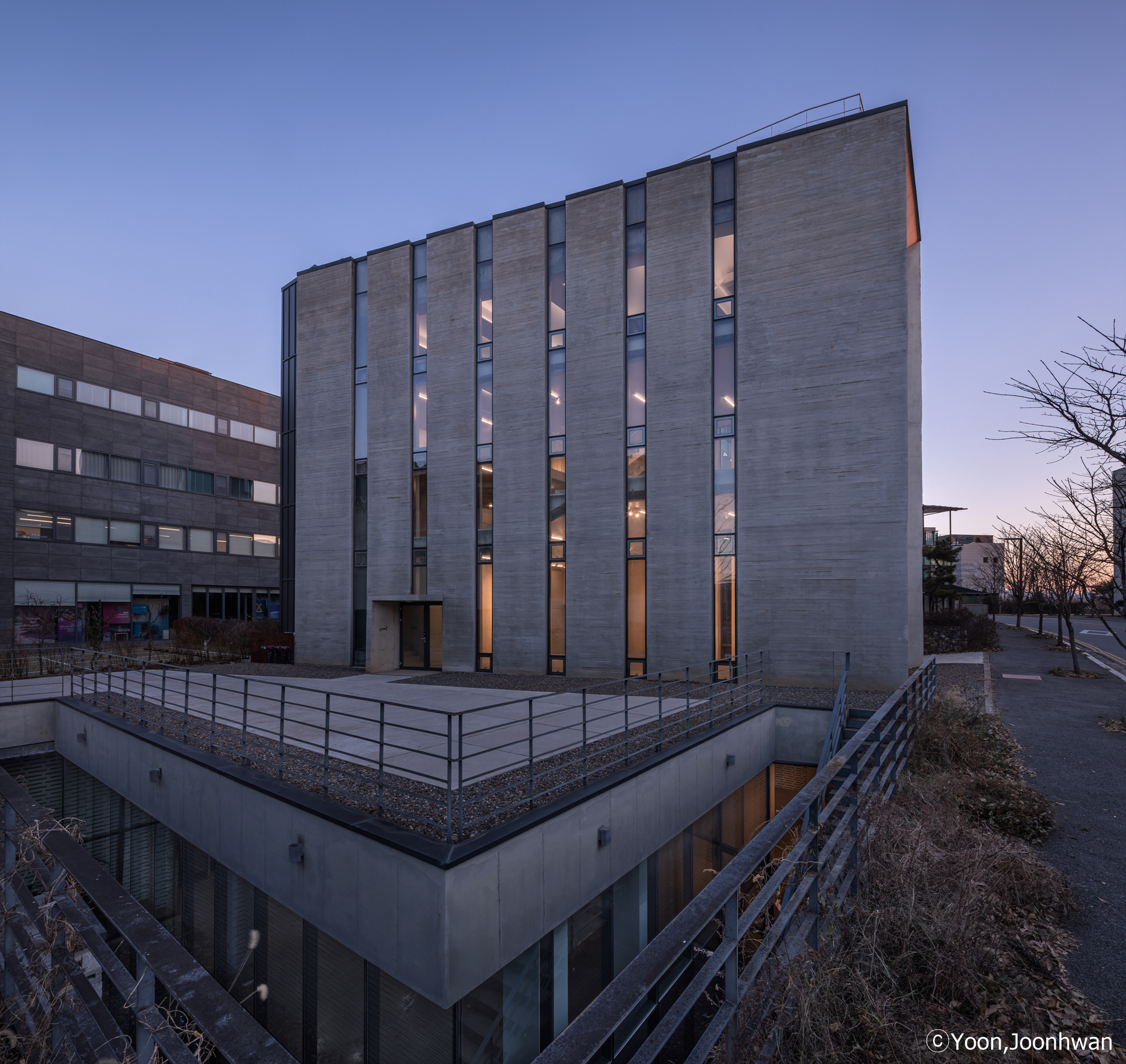
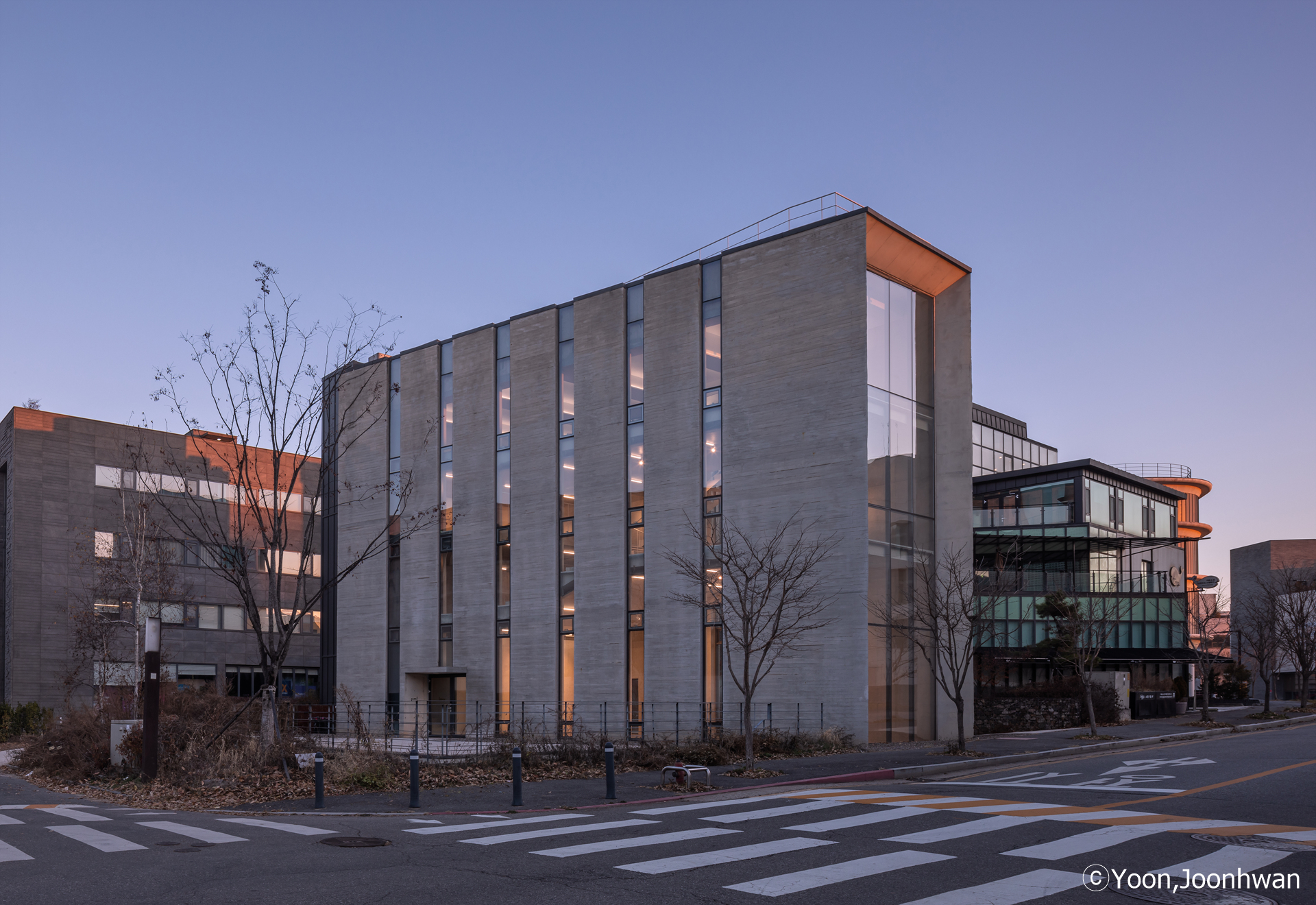
썸북스는 파주출판도시 2단지의 모퉁이 대지가 가진 도시적 긴장감 위에 놓인다. 출판도시는 단순한 산업 집적지가 아니라 건축이 특정 문화적 태도를 표명해야 하는 장소이며, 이 프로젝트는 건물이 무엇을 담는가보다 어떻게 도시와 관계 맺는가에 집중한다. 매스는 수평적으로 어긋나며 쌓인 비정형의 레이어로 구성되며, 이는 통상적인 건물이 보여주는 정면성이나 출입구, 계단실의 윤곽을 의도적으로 지운 결과다. 이러한 형태적 전략은 건물의 방향성을 모호하게 만들고 도시적 맥락 안에서 독립적인 사건으로 존재하게 한다.
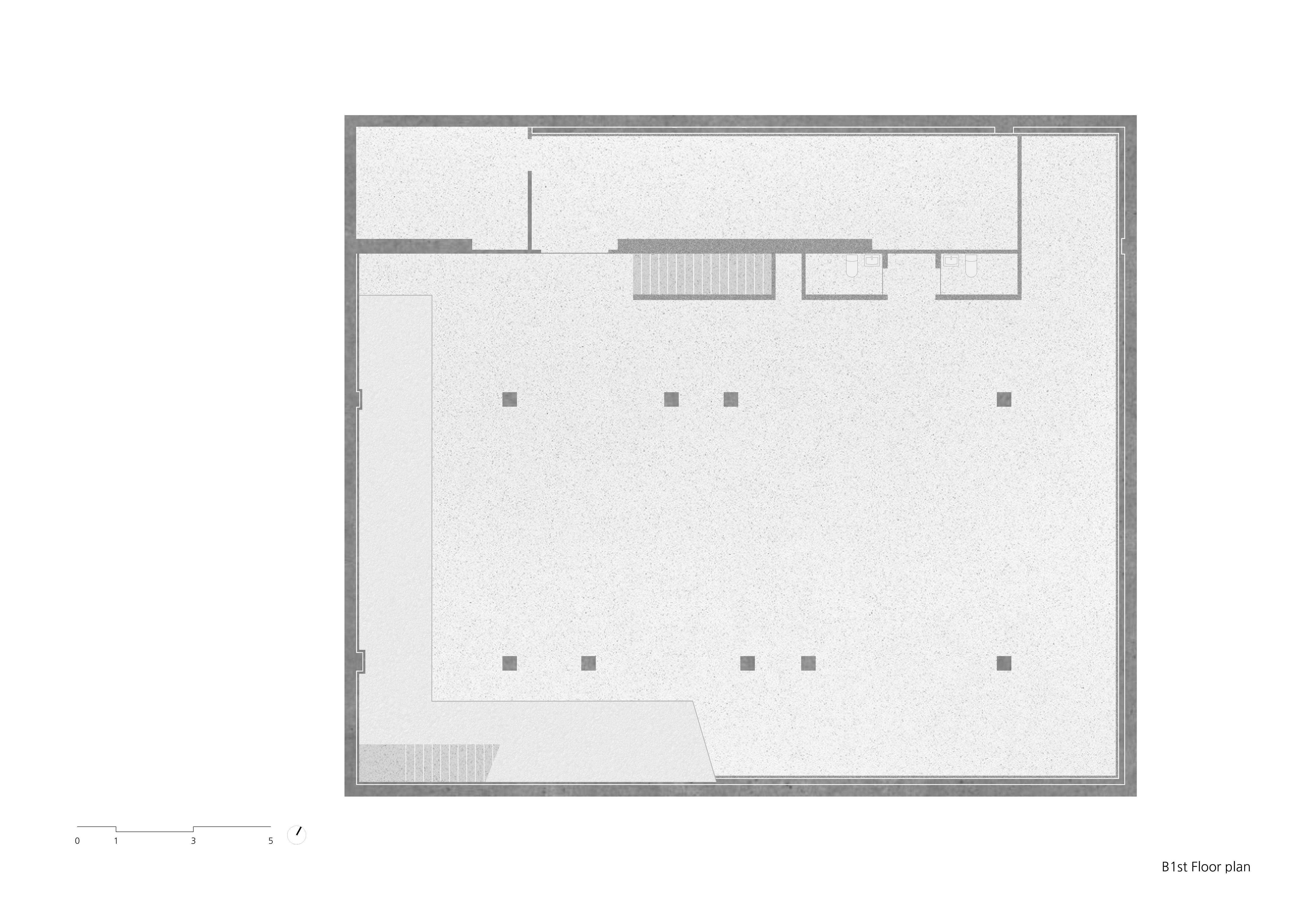
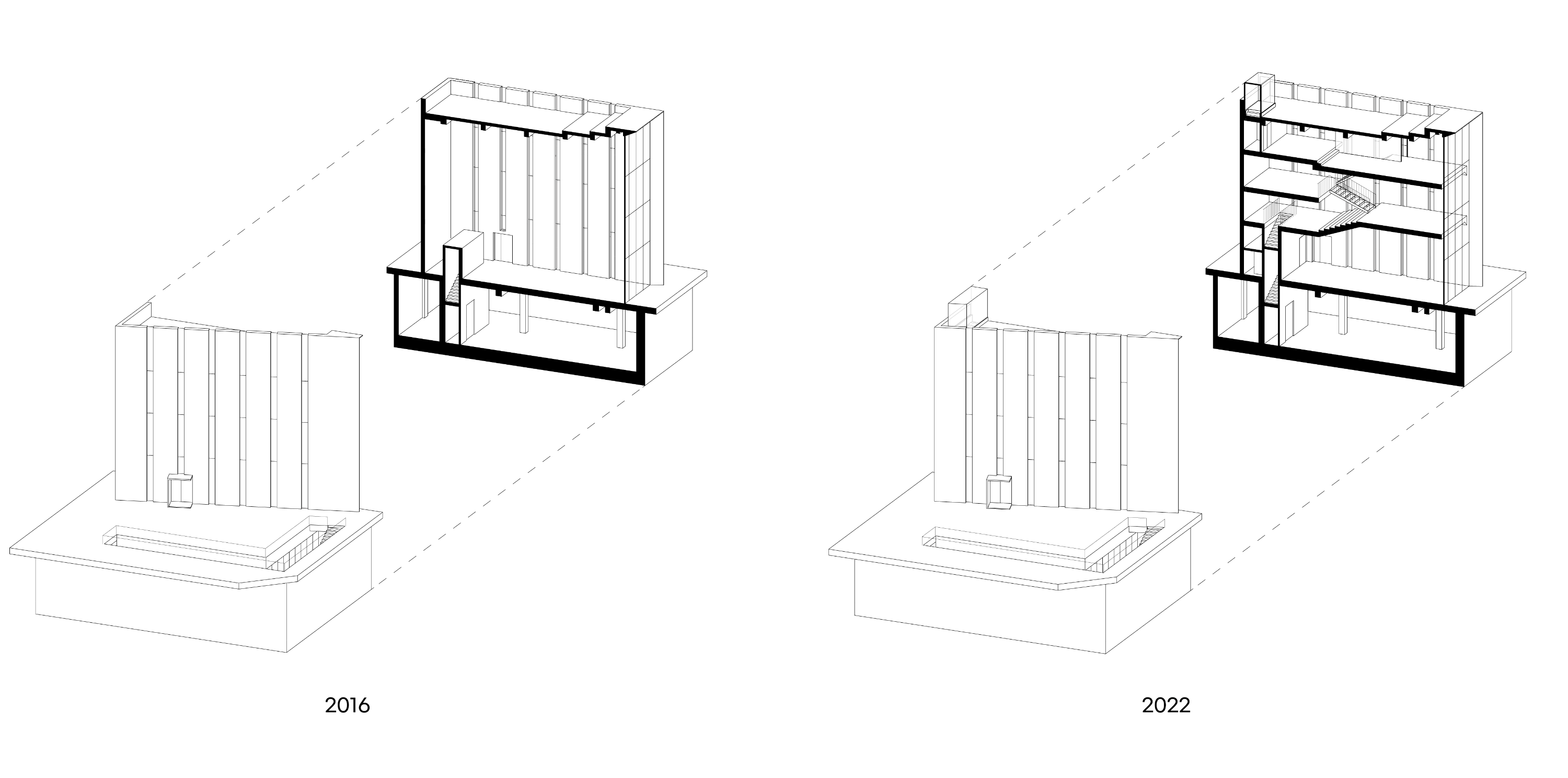
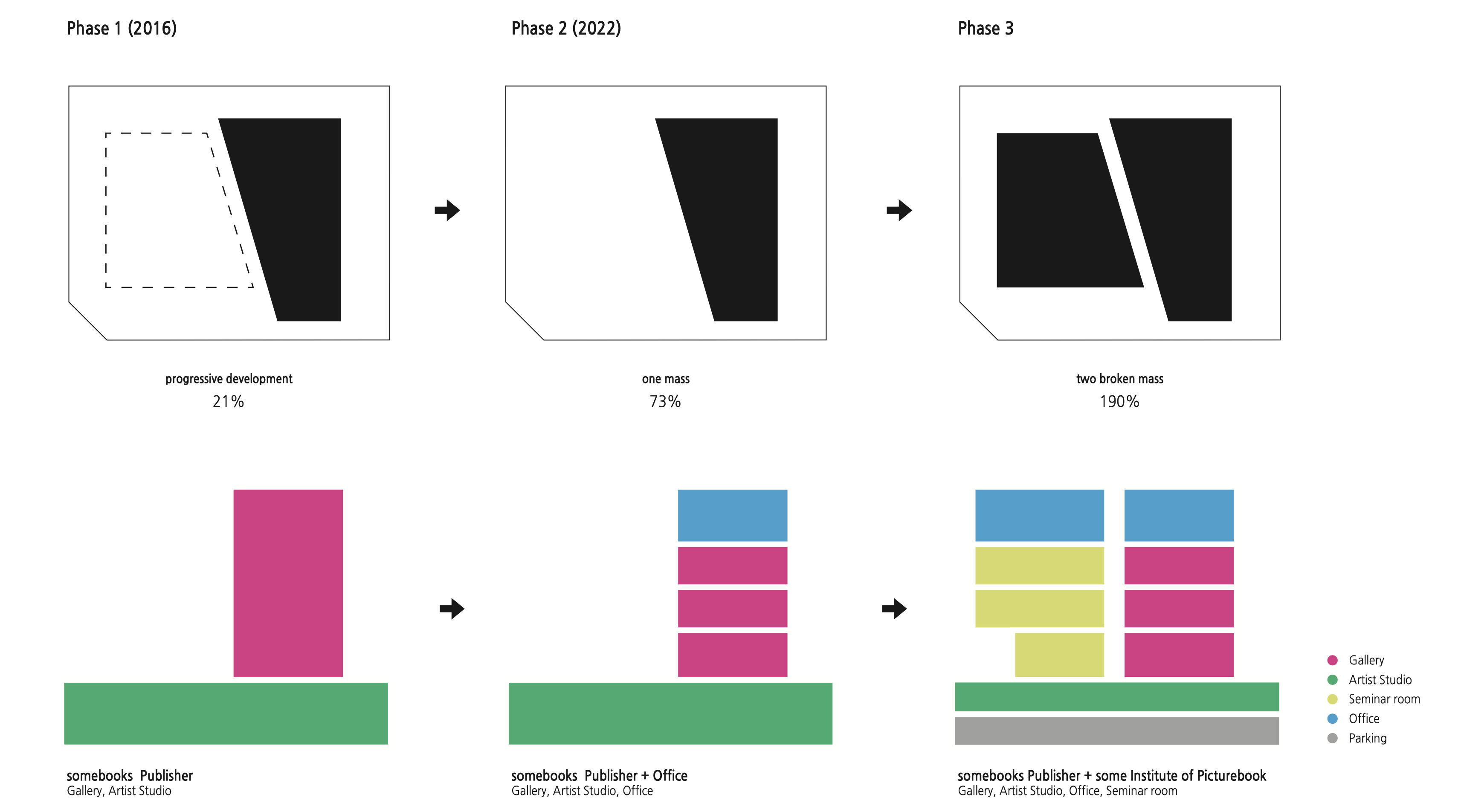
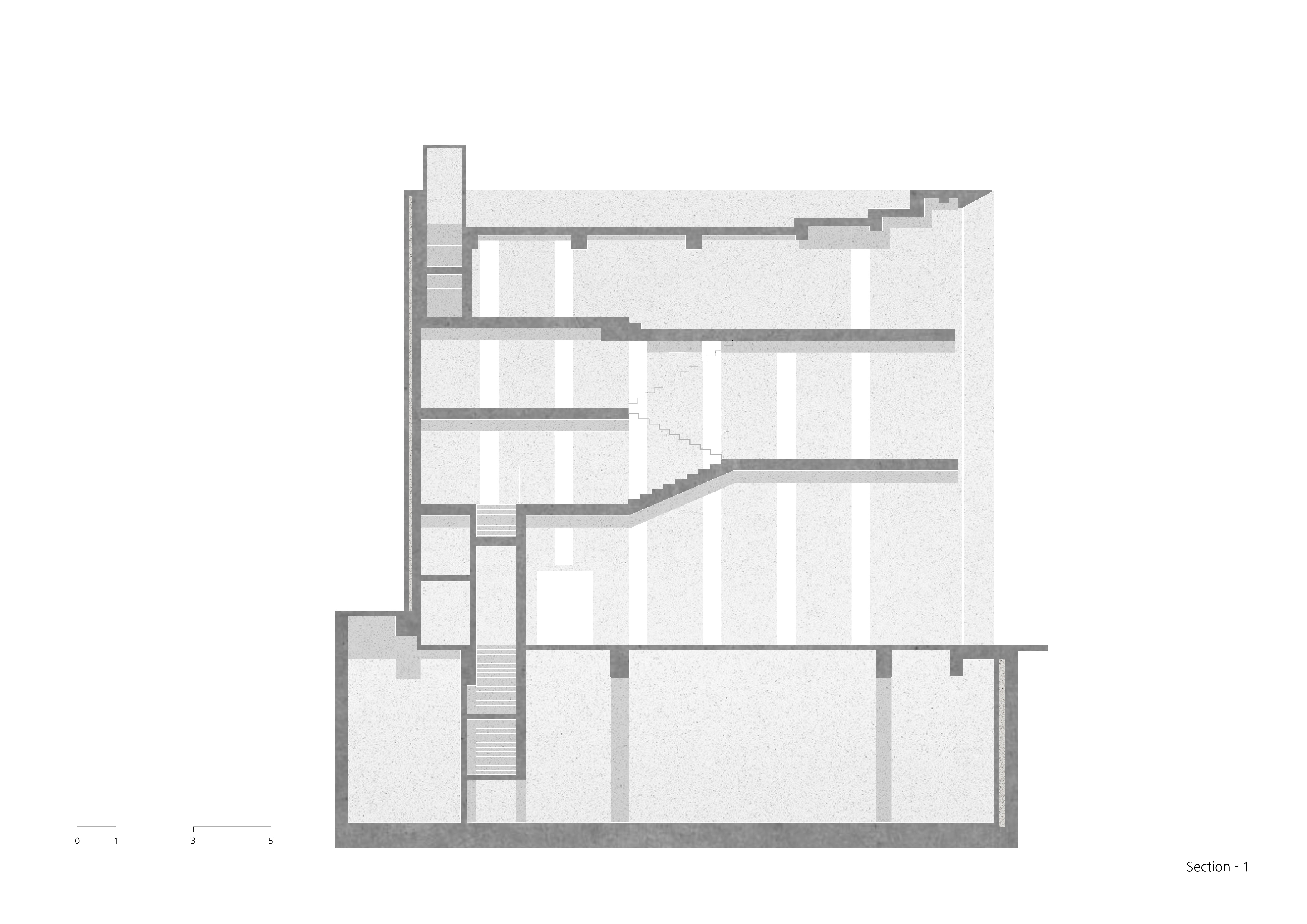
건물은 두 단계의 시차를 둔 구축의 기록을 담고 있다. 2017년에 완성된 1단계는 15m 층고의 거대한 보이드와 지하 공간을 통해 건축적 원형을 제시했다. 당시 작가 레지던시로 계획된 이 공간은 내부 증축 가능성을 명시적으로 남겨둔 상태였다. 2단계 증축은 2023년 전시 공간으로의 기능 전환에 따라 이루어졌다. 기존의 높은 볼륨 내부에 H빔과 철근콘크리트 복합 구조의 슬래브를 정교하게 삽입했다. 새로운 슬래브에는 조명과 냉난방 설비 라인을 모두 매립하여 매끄러운 평판 천장을 구현했다. 이로써 서로 다른 시기의 기술과 결정이 하나의 건물 안에 층위로 기록된다.
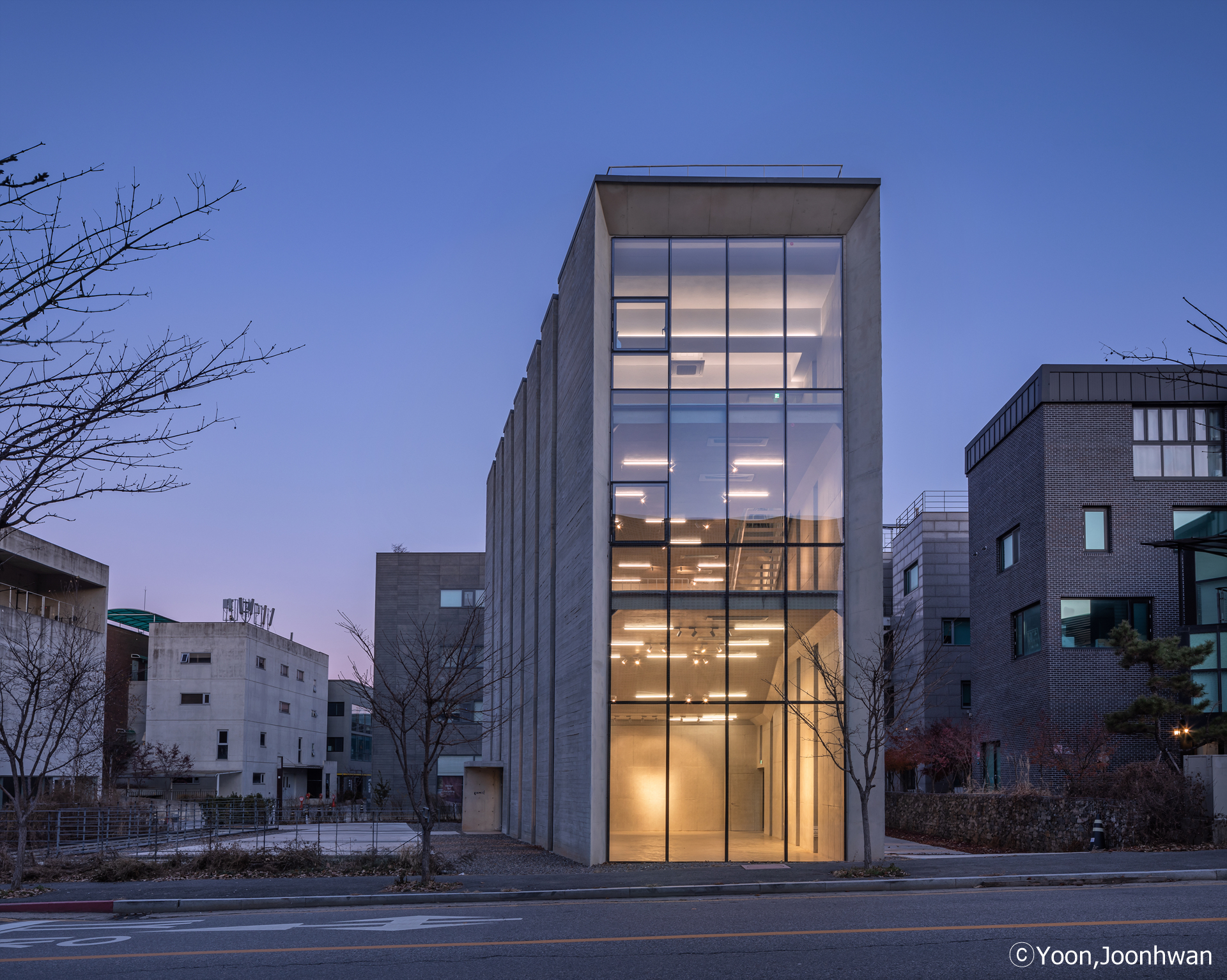
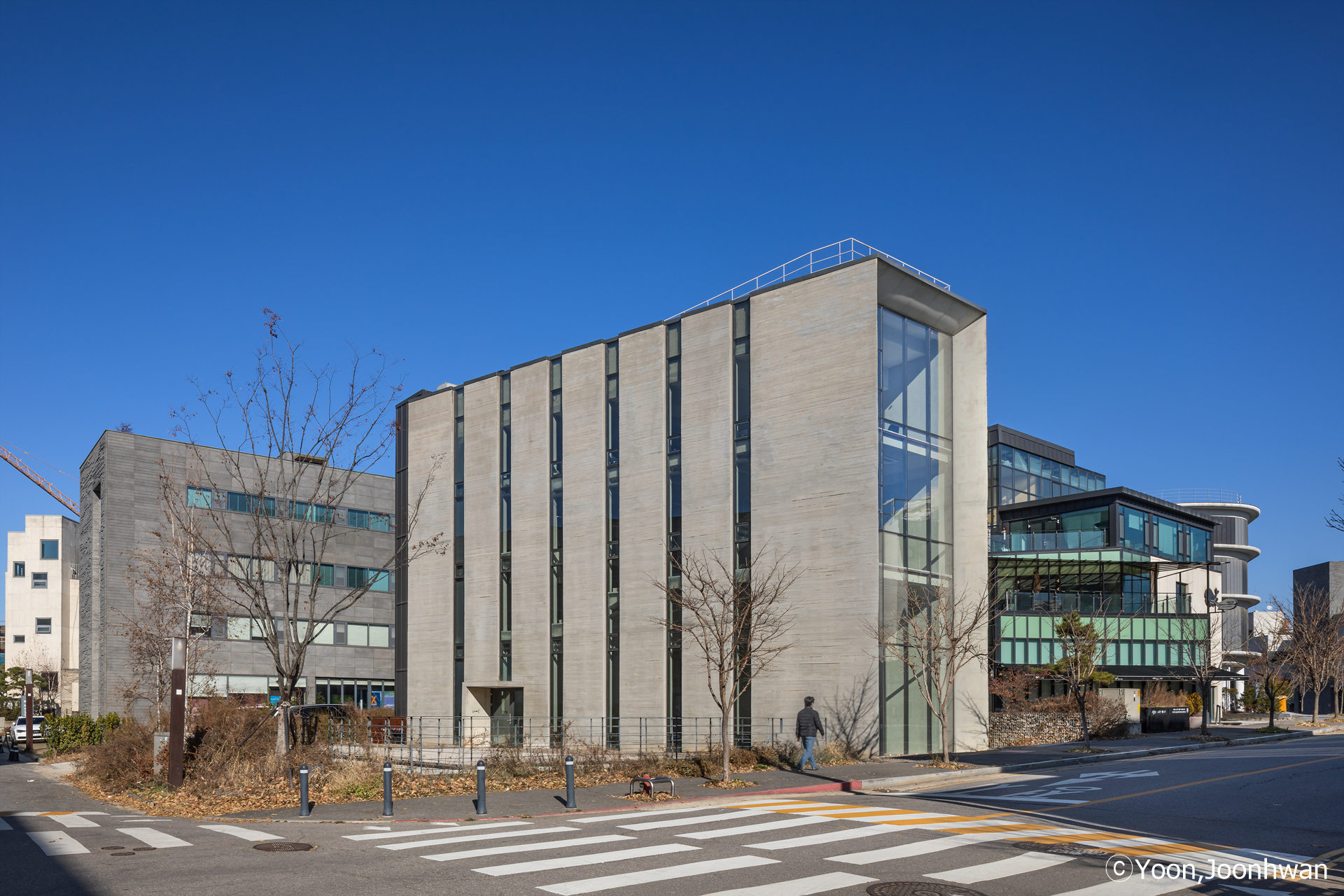
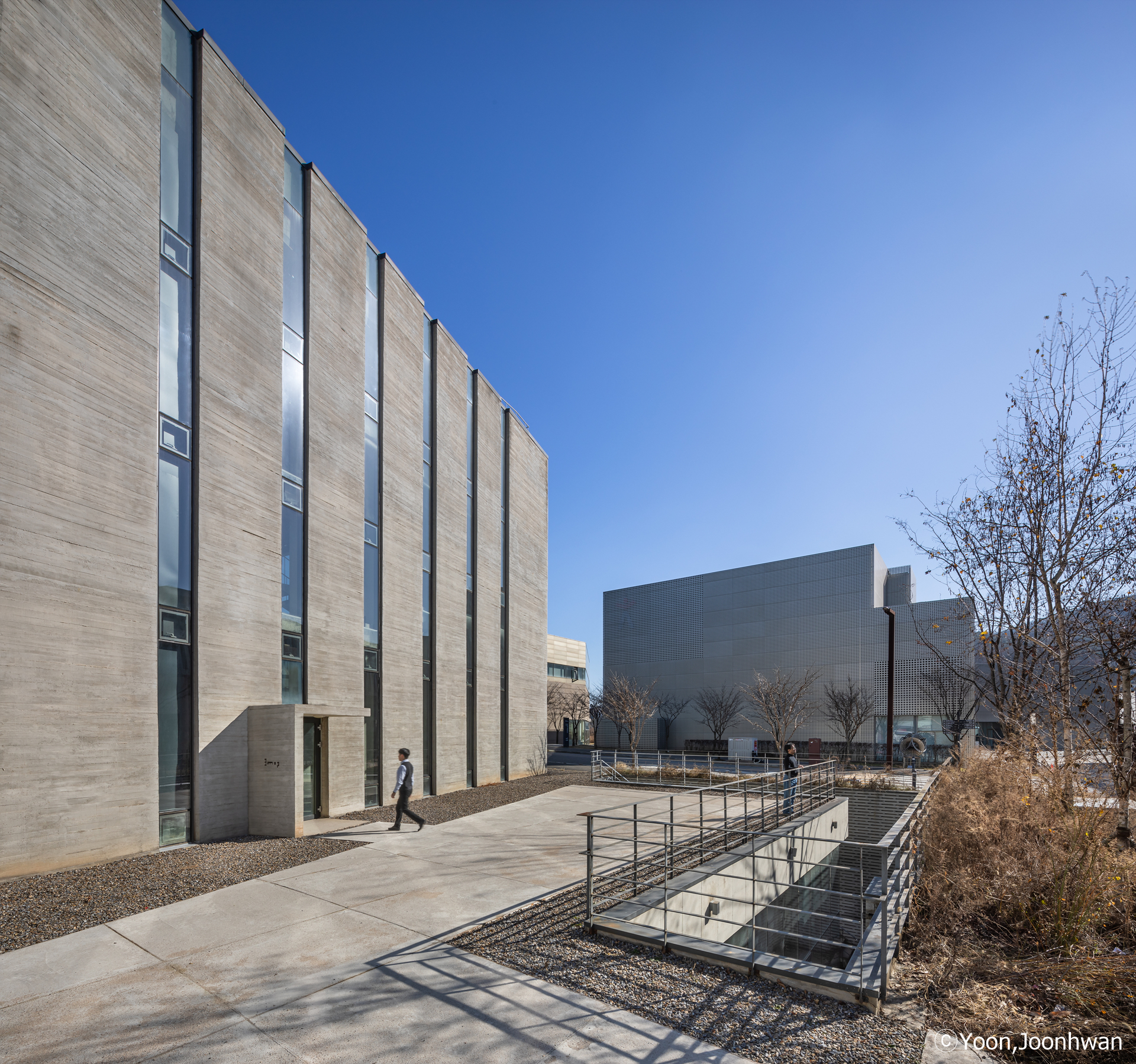
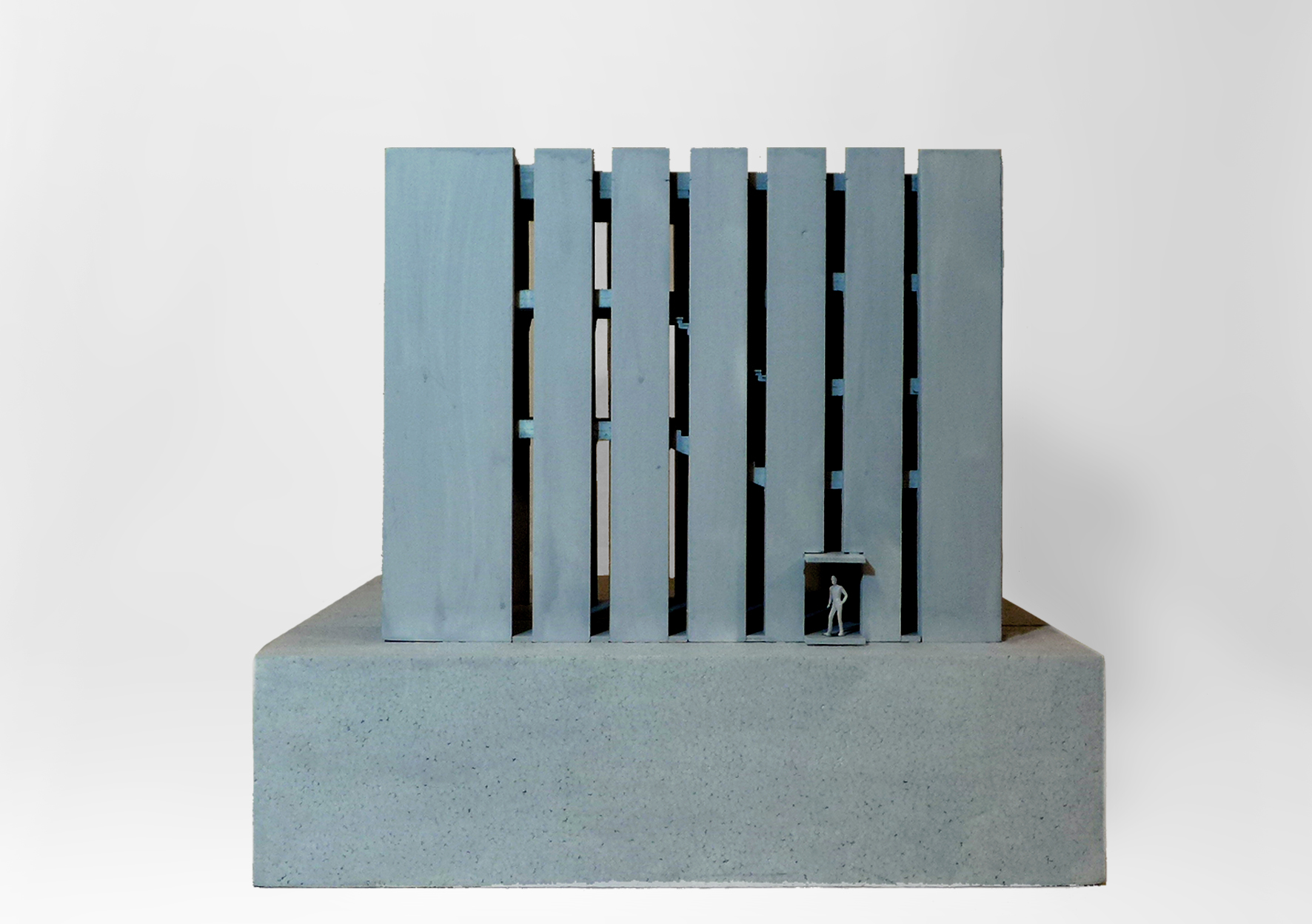
입면은 창 600mm와 콘크리트 패널 1,800mm가 교차하는 엄격한 모듈(600×1200)의 반복이다. 송판무늬 거푸집으로 마감된 콘크리트 외벽은 내부에서 작품 배치를 위한 벽면 치수를 규정하는 동시에, 외부에서는 건물의 실제 규모를 가늠하기 어렵게 만드는 장치가 된다. 사용자는 가까이 다가서거나 멀리서 바라보아도 건물의 크기를 쉽게 읽어낼 수 없으며, 이러한 스케일의 불확실성은 건축물에 생경한 인상을 부여한다. 콘크리트와 유리의 명확한 배열은 오히려 건물의 실제 부피감을 모호하게 만드는 역설을 낳는다.
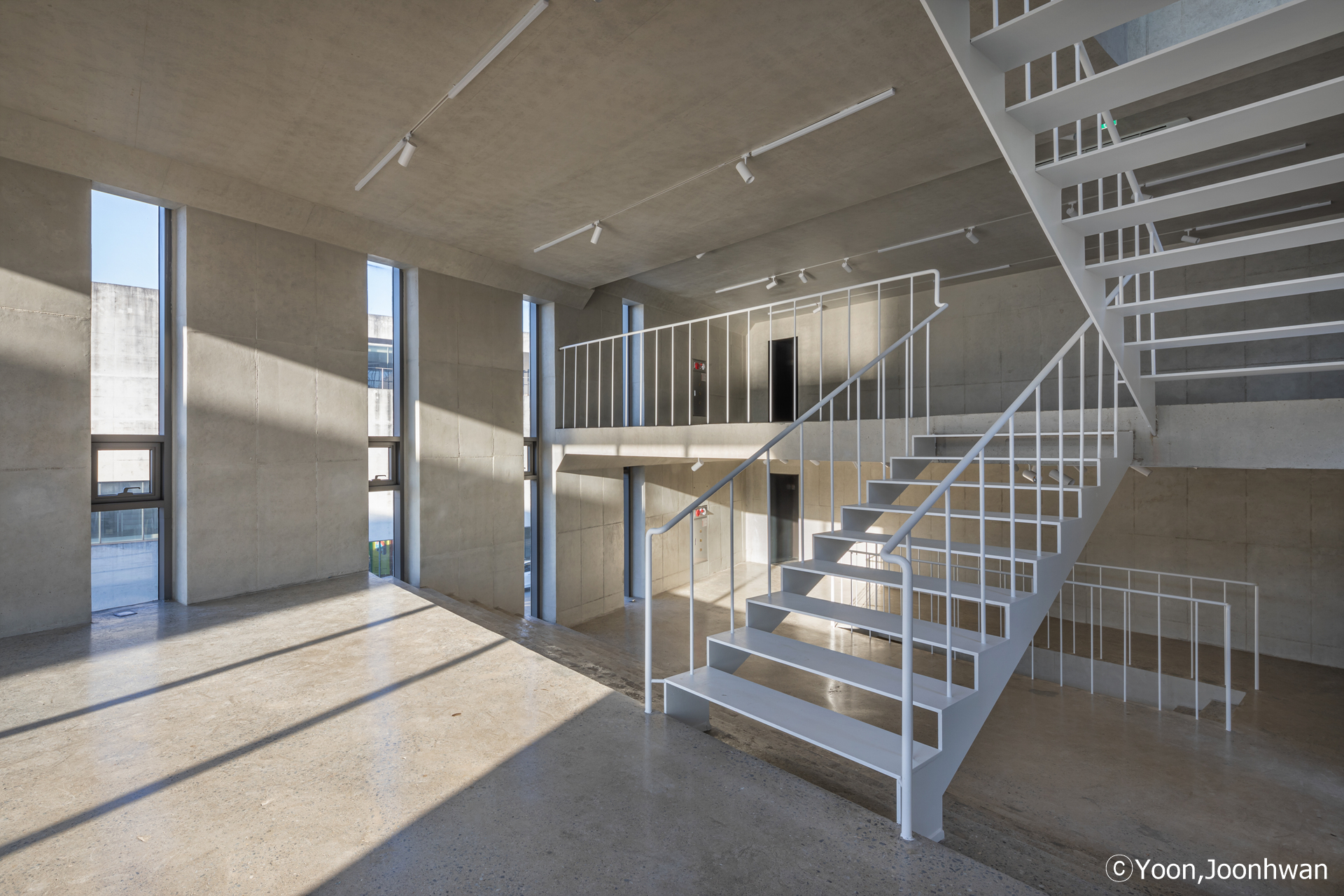
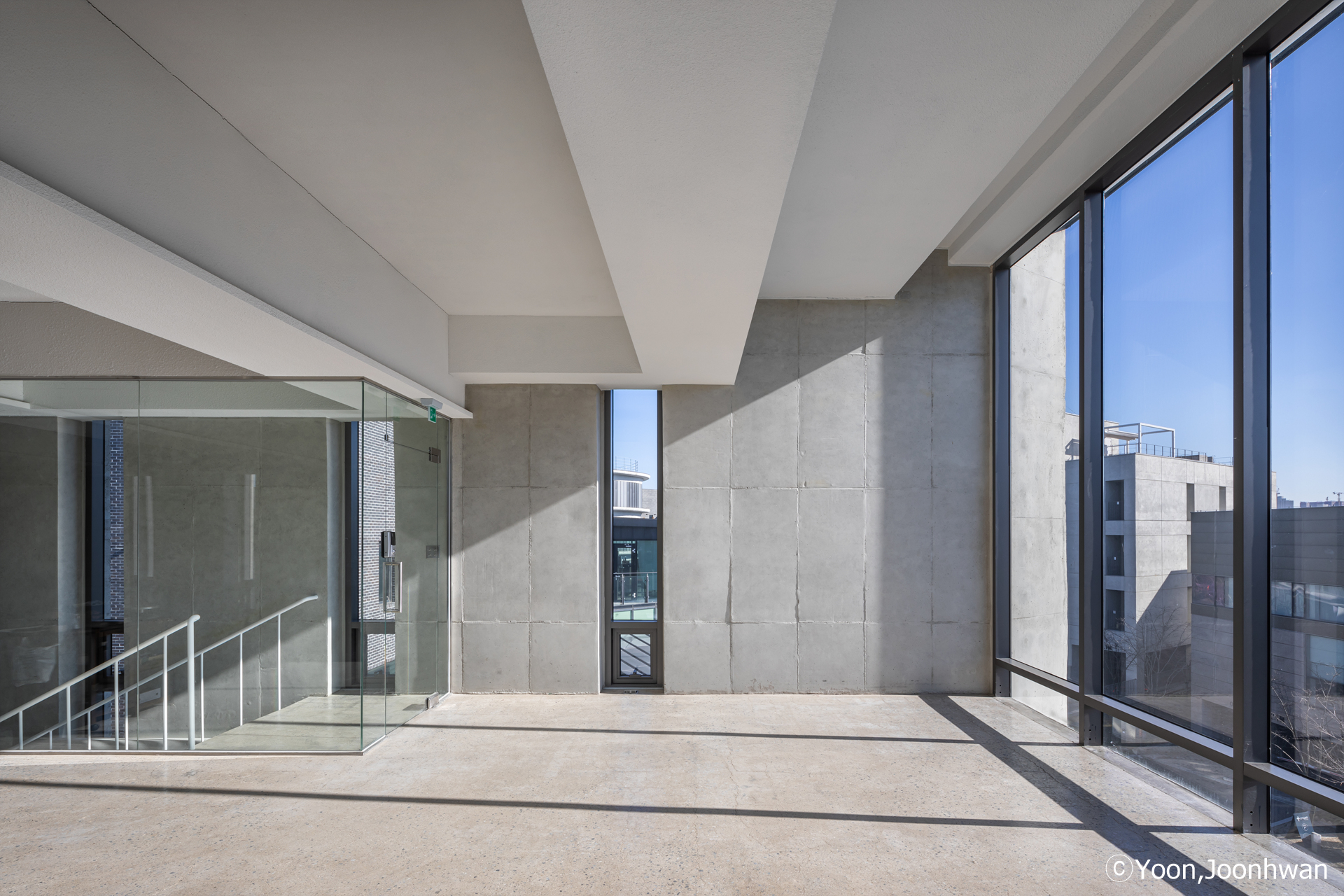
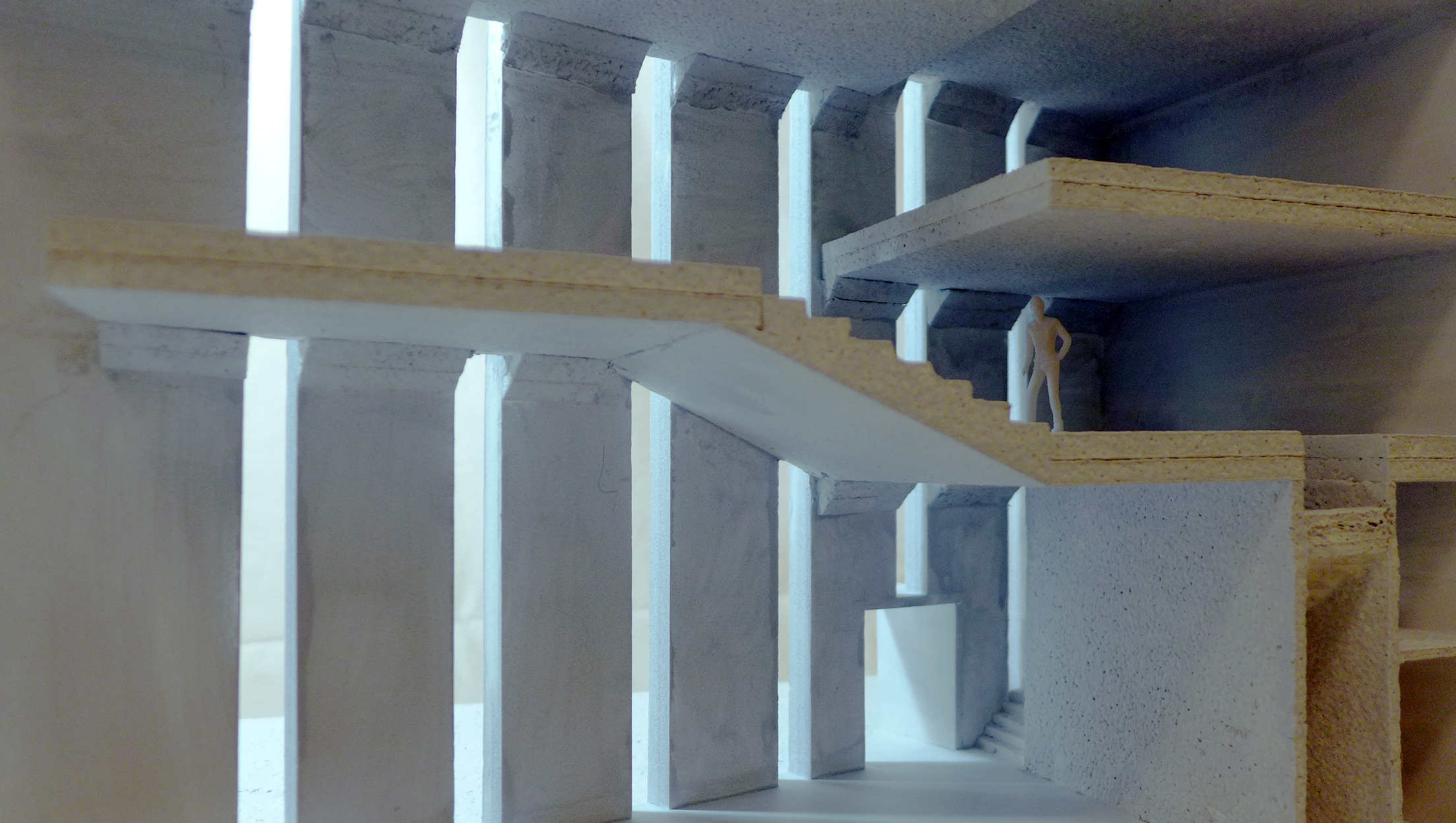
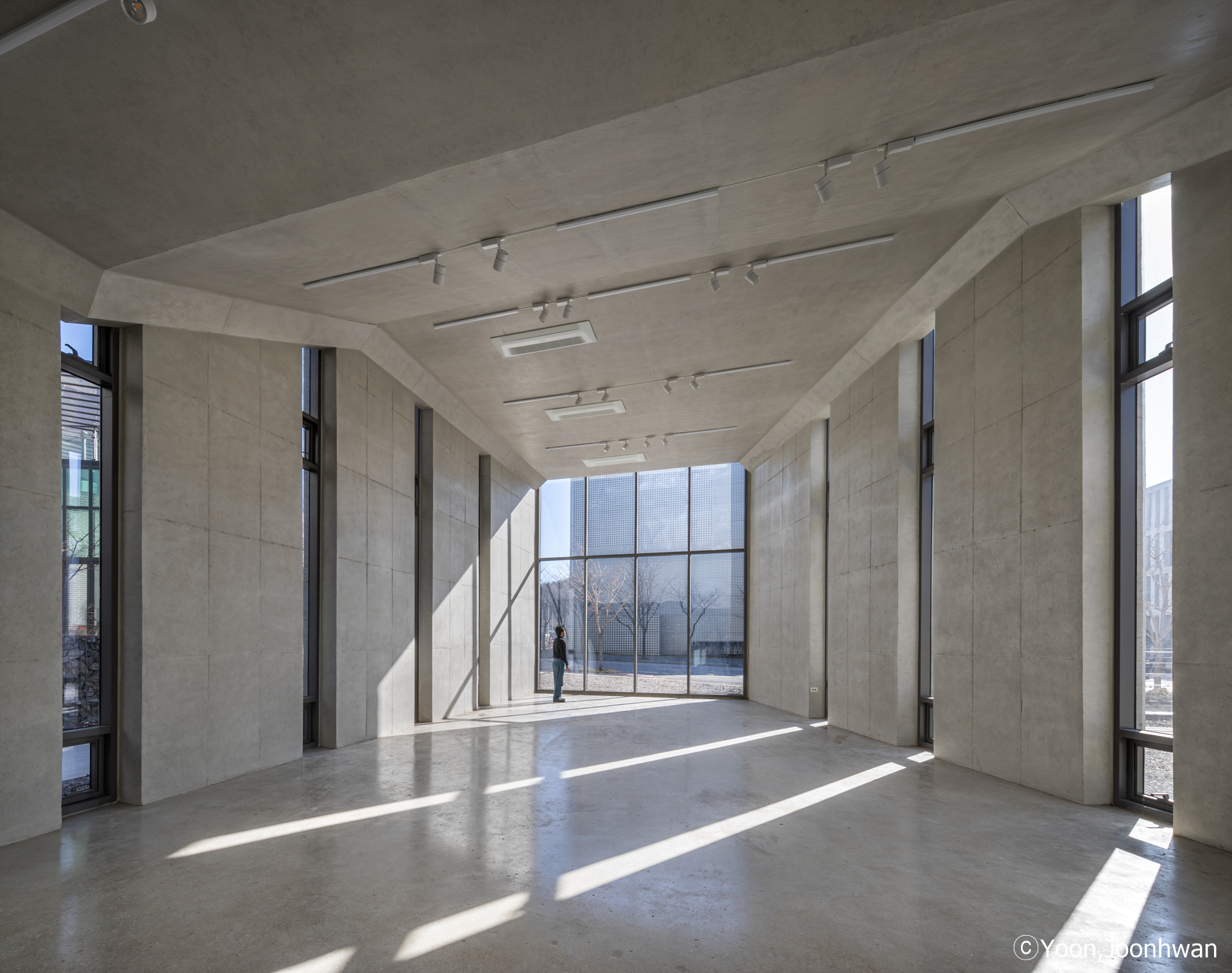
내외부를 관통하는 핵심은 물질적 인상의 변주다. 외벽의 깊은 송판무늬 질감과 대비되도록 내벽은 유로판 거푸집을 사용하여 매끄럽고 균일한 면을 형성했다. 동일한 콘크리트라는 재료가 거푸집의 차이를 통해 표면의 온도 차를 만들며, 이는 안과 밖을 구분하는 유일한 물리적 경계가 된다. 스킵플로어 방식으로 설계된 내부 계단은 볼륨을 수직으로 가로지르며 각 레벨마다 다른 각도의 자연광을 끌어들인다. 빛은 조명에 의한 연출이 아니라 건물의 향과 창의 위치, 시간의 이동이 만들어낸 건축적 결과물로서 공간에 스며든다.
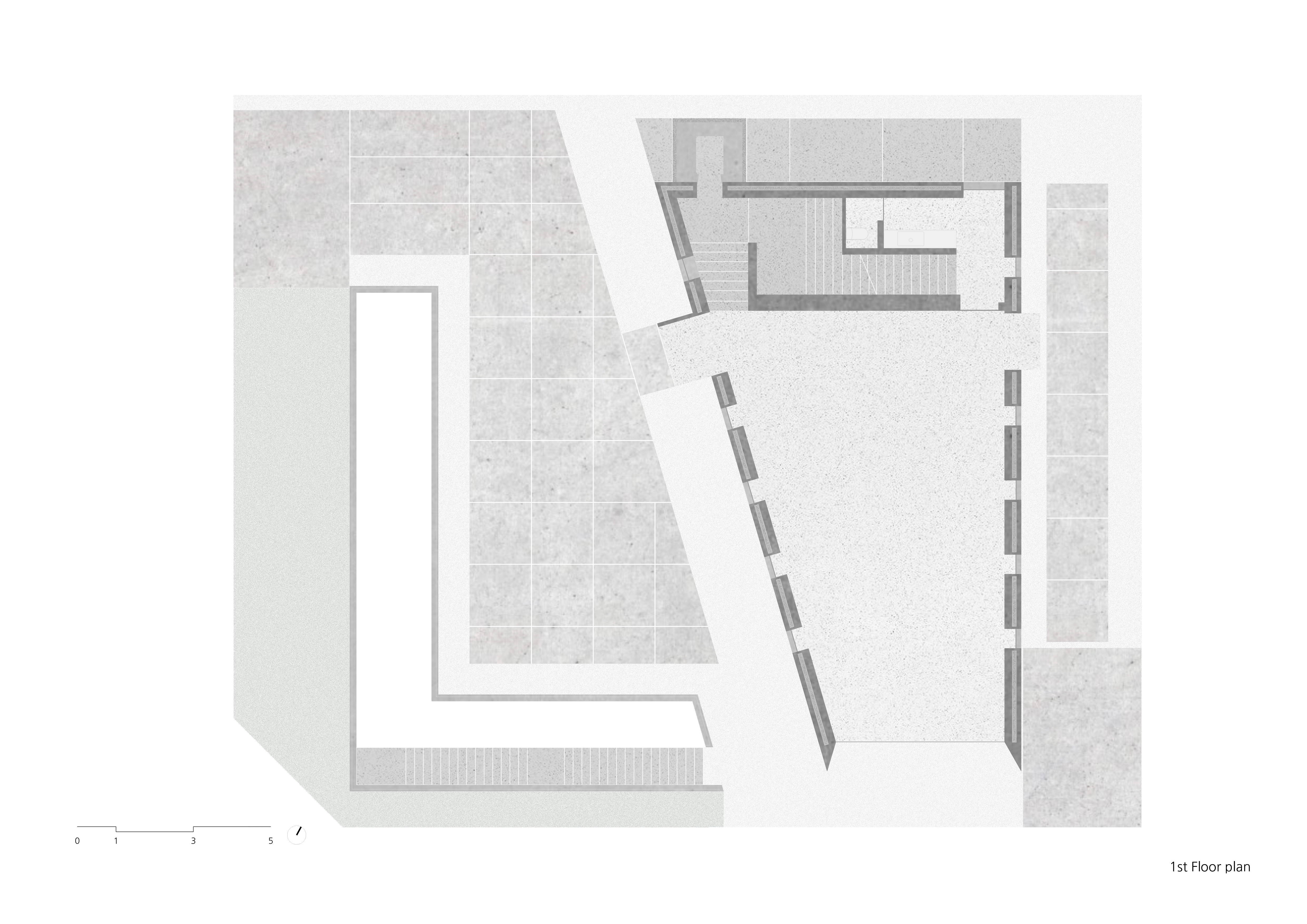
모퉁이 대지의 조건은 건물의 사방에 마당을 허용하며, 이 마당은 전통적인 외부 공간이라기보다 인접 건물들 사이의 틈을 조율하는 도시적 장치에 가깝다. 출판도시 조성 과정에서 발생한 부정형의 잉여 공간들을 마당이 재조정하며 썸북스는 블록의 모퉁이에서 스스로를 정립한다. 내부의 계단실은 이러한 외부 마당과의 시각적 연결을 유지하며 수직적 흐름을 완성한다. 공간은 프로그램에 유연하게 대응하기 위한 중립적 장소가 아니라, 오히려 구체적이고 강한 물성을 지니도록 의도되었다. 이 강한 물성의 공간이 콘텐츠와 관계를 맺으며 새로운 행위를 유도하는 역설이 썸북스가 작동하는 방식이다.
LIGHT AND SHADOW AS ARCHITECTURAL WEAVE
somebooks is situated on a corner lot within the second phase of the Paju Publication City. In this context, architecture serves as a manifesto of a specific cultural attitude rather than a mere industrial facility. The project focuses on how the building relates to the city rather than merely what it contains. The massing consists of irregular layers stacked with horizontal offsets, a formal strategy that deliberately erases the conventional articulation of entrances and staircores. This ambiguity of orientation allows the building to exist as an independent urban event at the block’s edge, readjusting the surplus spaces between adjacent structures.
The construction is a recorded chronology of two distinct phases. The first phase, completed in 2017, established the architectural prototype with a 15-meter-high void and a basement level. Originally intended as an artist residency, the space was designed with a cavernous volume that explicitly allowed for future internal expansion. The second phase in 2023 involved inserting new floor slabs to accommodate the building's transition into an exhibition space. A composite structure of H-beams and reinforced concrete was integrated into the existing volume, with all mechanical and lighting systems embedded within the slabs to maintain seamless, flat ceiling planes. This intervention documents different moments of decision as distinct material layers.
The facade follows a rigorous rhythmic module(600×1200) of 600mm glazing and 1,800mm concrete panels. The concrete surfaces, finished with wood-grain formwork, determine the interior wall dimensions for art placement while simultaneously obscuring the building's actual scale from the outside. Whether viewed from a distance or up close, the repetitive modularity makes the physical volume difficult to decipher. This clarity of material arrangement contrasts with the resulting ambiguity of scale, imparting a sense of unfamiliarity to the architectural presence.
The internal logic is driven by the variation of Matter Impression. While the exterior features deep wood-grain textures, the interior surfaces are finished with smooth Euro-form concrete. This tactile difference between identical materials serves as the primary boundary between inside and outside. A skip-floor system organizes the vertical circulation, cutting through the volume to create varying conditions of natural light. Light is not an orchestrated effect of fixtures but a direct result of the building's orientation and the movement of time across the surfaces, anchoring the spatial experience in a specific temporal reality.
The character of the space is defined by its strong, specific materiality rather than neutral flexibility. somebooks does not adapt to its program through generic openness ; instead, its heavy physical presence demands a relationship with any content placed within it. The concrete walls and varying floor levels provide a framework that necessitates active engagement. This tension between the rigid architecture and the fluid program creates a site where the space does not merely host an event but actively participates in it, proving that non-neutral spaces can paradoxically generate more possibilities.